


The protein on your label isn’t always the protein your body uses
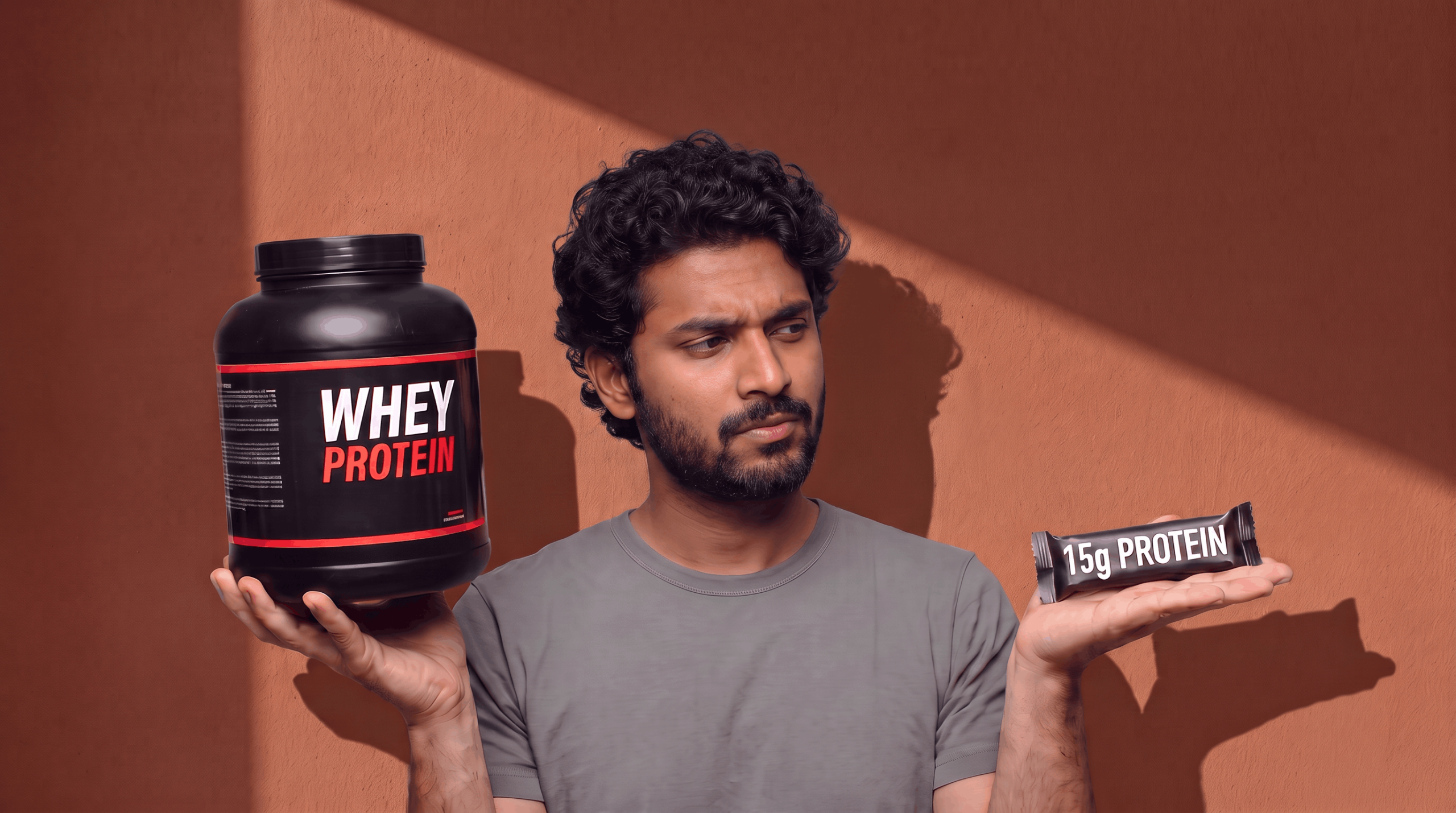
Open any quick comm, search “protein,” and the number is doing all the selling. Atta claiming 12g per 100g. Whey protein products promising 24g a scoop. 20g protein paneer. We read it like an MRP: BIGGER looks like BETTER value.
But that number doesn’t tell the whole story. Labs don’t measure how much protein your body can use. Instead, they estimate protein content using internationally accepted methods that measure the protein-derived nitrogen in a food and multiply it by 6.25, since proteins contain, on average, about 16% nitrogen. Non-protein nitrogen occurs only in negligible amounts in most foods, so the protein value on the label is a reliable estimate of the protein present. What the label doesn’t tell you is how much of that protein your body can use. It says nothing about whether the protein is complete or digestible. On an Indian plate, both gaps run deep.
Why the Indian plate leaks protein
Think of protein as a wall and amino acids as the bricks. Your body needs about 20 kinds; it makes most itself, but a handful must come from food. If even one runs short, the building stalls, however many of the others you have.
Now here’s a catch. Indian meals lean on cereals: rice, wheat, millets. Cereal protein is short on one essential brick, lysine. Dal is short on another, methionine. So a plate of only rice, or only dal, hands your body an incomplete set. Plenty of protein on paper, but not the full kit to build with.
Cooking costs more still. In a study of milk protein in Indian adults, St. John’s and ICMR-NIN found heat treatment cut lysine availability by about 22%, locking away the very brick cereals already lack. None of this shows on a pack printed before your kitchen touches the food.
The gap, made official
Nutrition science stopped ranking protein by grams long ago. It ranks by quality: how complete the bricks are, and how much you absorb. The newer scoring system, DIAAS, measures absorption in the small intestine and isn’t capped, so it separates genuinely high-quality proteins from merely passable ones. India’s own ICMR-NIN adopted it. Applied to Indian foods, the finding is blunt: judged by what the body can actually use, an even larger share of people fall short.
Which reframes a familiar number. An IMRB survey found roughly 73% of Indian diets are protein deficient, vegetarians worse off, with around 60% of protein coming from lower-quality cereals. Put quality on top of quantity, and the real shortfall is worse than 73%.
What the plate already gets right
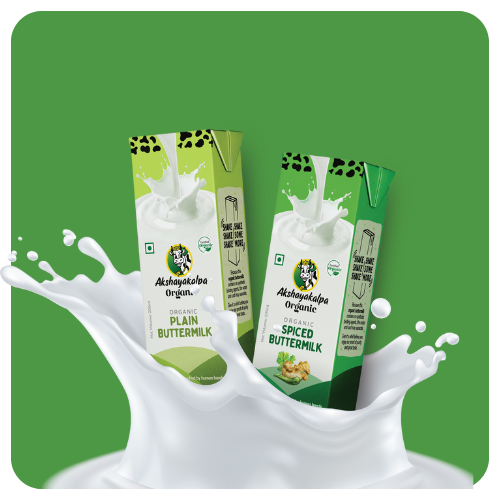
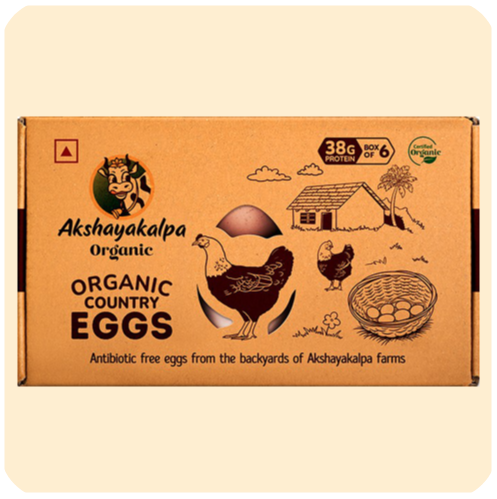
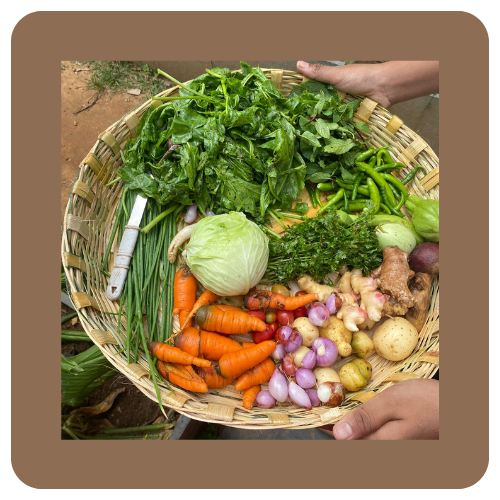
The fix isn’t a tub of powder. Indian cooking solved this centuries ago, by taste. Pair foods whose weaknesses cancel out: cereal is short on lysine, pulses are richer in it, so dal-chawal, khichdi, and idli-sambar are quietly better engineering than most high-protein snacks. Then anchor the plate with egg, milk, or curd for the lysine grains lack. India’s guidance now bakes this in, revising its model diet to a cereal-legume-milk ratio of about 3:1:2.5.
So, treat the protein number as the opening of the question, not the answer. Not how many grams are on the pack, but how many survive your dal, your kitchen, and your gut. On the average Indian plate, the honest answer is: fewer than you think, and the fixes were already on your table.