





Meal Sequencing: Your blood sugar depends on the order of food you eat
When the fresh aroma of biryani fills the house, it’s the saffron-flavoured, spiced rice you want to dig your fingers into first. The only right way to eat biryani!
But our bodies don’t seem to agree. Eating rice first can make your blood sugar rise faster and higher.
Much to our fabulous disappointment, it’s not only what we eat that matters. The order we eat food in matters too!
This is called meal sequencing, a simple way to keep blood sugar spikes in check.
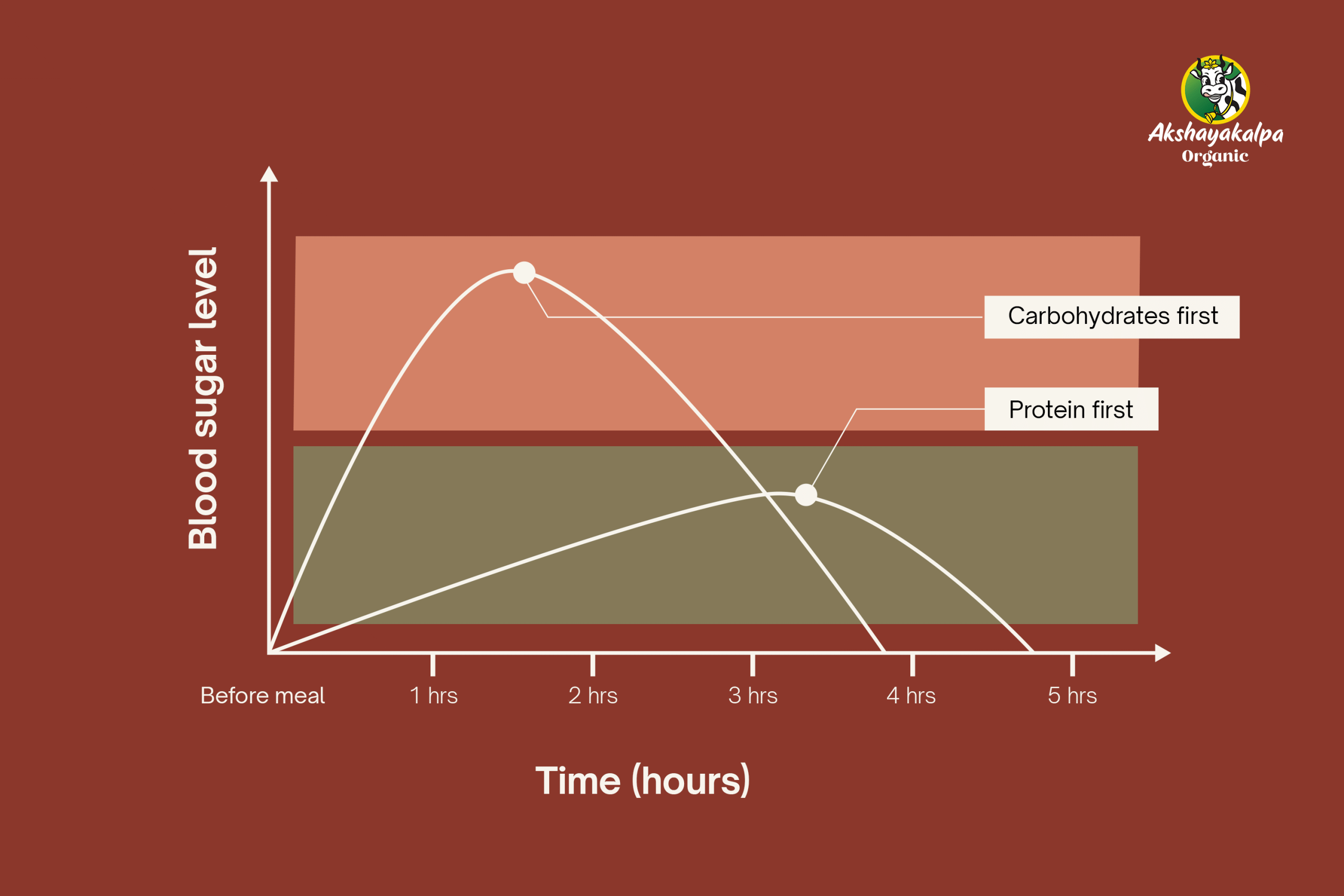
Start with protein or fibre, save the carbs for last, and the rise in blood sugar after a meal is softer.
What happens when you change the order
Researchers at Weill Cornell Medicine in New York gave 15 adults with prediabetes the same meal on three different days: once with the carbs first, once with protein and vegetables first, and once with vegetables first. When the carbs came last, the peak in blood sugar was more than 40% lower. When carbs came first, blood sugar swung up and down.
It isn’t just people with high blood sugar. A 2026 review of studies in healthy adults, most of them eating rice-based Asian meals, found the same pattern. Eating vegetables, fruit or protein before rice usually meant lower blood sugar after the meal.
Why your blood sugar rises more gently
Think of your stomach as a gate. Food doesn’t go straight into your blood: it passes through the stomach to the small intestine, where most of the sugar from your rice or roti is absorbed. How fast that gate opens decides how fast the sugar arrives.
When carbs come first, they land in an empty stomach with nothing to slow them down. They pass through quickly, the sugar floods into your blood, and blood sugar climbs fast. Your body responds by releasing a lot of insulin.
When fibre comes first, the fibre from vegetables soaks up water and turns into a thick gel. This slows how fast your stomach empties and how quickly food moves through your gut, so the sugar from the carbs that follow is absorbed more slowly. Over time, the good bacteria in your gut also feed on this fibre and release substances that trigger hormones which help control blood sugar and make you feel full.
When protein comes first, your gut picks up the building blocks of protein and releases hormones, including GLP-1. GLP-1 slows down your stomach and helps your body release insulin in a steadier way.
So the same plate of rice releases its sugar slowly, a little at a time, instead of all at once. That’s why the rise is gentler.
What this looks like on an Indian plate
You don’t have to give up rice or roti. Just change when you eat them.
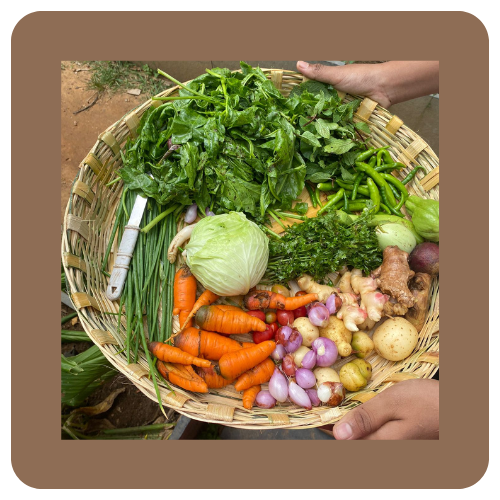
- Start with sabzi or salad.
- Move on to dal, paneer, curd, eggs, chicken or fish.
- Finish with the rice or roti.
It’s a simple habit, not a cure.
So think of it as one easy habit that works alongside the basics: enough protein, plenty of vegetables, and moving your body. If you take medicine for diabetes, talk to your doctor before changing how you eat.
The food tastes just as good. Your blood sugar rises more gently when the carbs come last.