


Heavy gains, heavier metals: Is your protein powder making you uncomfortable?

Protein powder has become the go-to solution for millions of health-conscious people around the world, and the supplement industry has spent decades convincing consumers that protein has to come from a tub.
But what actually goes into that tub is a question most customers haven’t thought to ask, and the answers are concerning.
A peer-reviewed Indian study, called the Citizens Protein Project, tested 36 of the most popular protein supplements sold in this country and found that 75% contained lead, and nearly 28% contained cadmium.
On a global scale, a Consumer Reports investigation published in 2025 found that out of 23 popular protein powder brands, almost two-thirds of them contained more lead than deemed safe by their food safety experts in a single serving. The contamination, they noted, was worse than when they last tested these products fifteen years ago.
From a regulatory standpoint, the FSSAI does not approve or independently test supplements before they are sold. Manufacturers certify their products themselves, and they keep the test results confidential. This results in a market where the consumer bears all the risk.
This makes an interesting case for why you should question your powder.
But why is the powder even contaminated in the first place? Lead, cadmium, and arsenic enter protein powders primarily through the raw ingredients themselves. Plants absorb heavy metals from the soil they’re grown in. Which means that protein derived from a plant source is at high risk of being contaminated.
On the brighter side, not all protein sources carry the same risk. Dairy-based proteins had the lowest average lead levels of all protein categories tested, containing nine times less lead than plant-based powders on average.
Since animals metabolize what they consume, dairy protein goes through a biological filtration process that results in significantly lower heavy metal accumulation. However, this isn’t an absolute solution to the contamination problem. The quality of fodder that the cow eats plays a major role in the milk it produces.
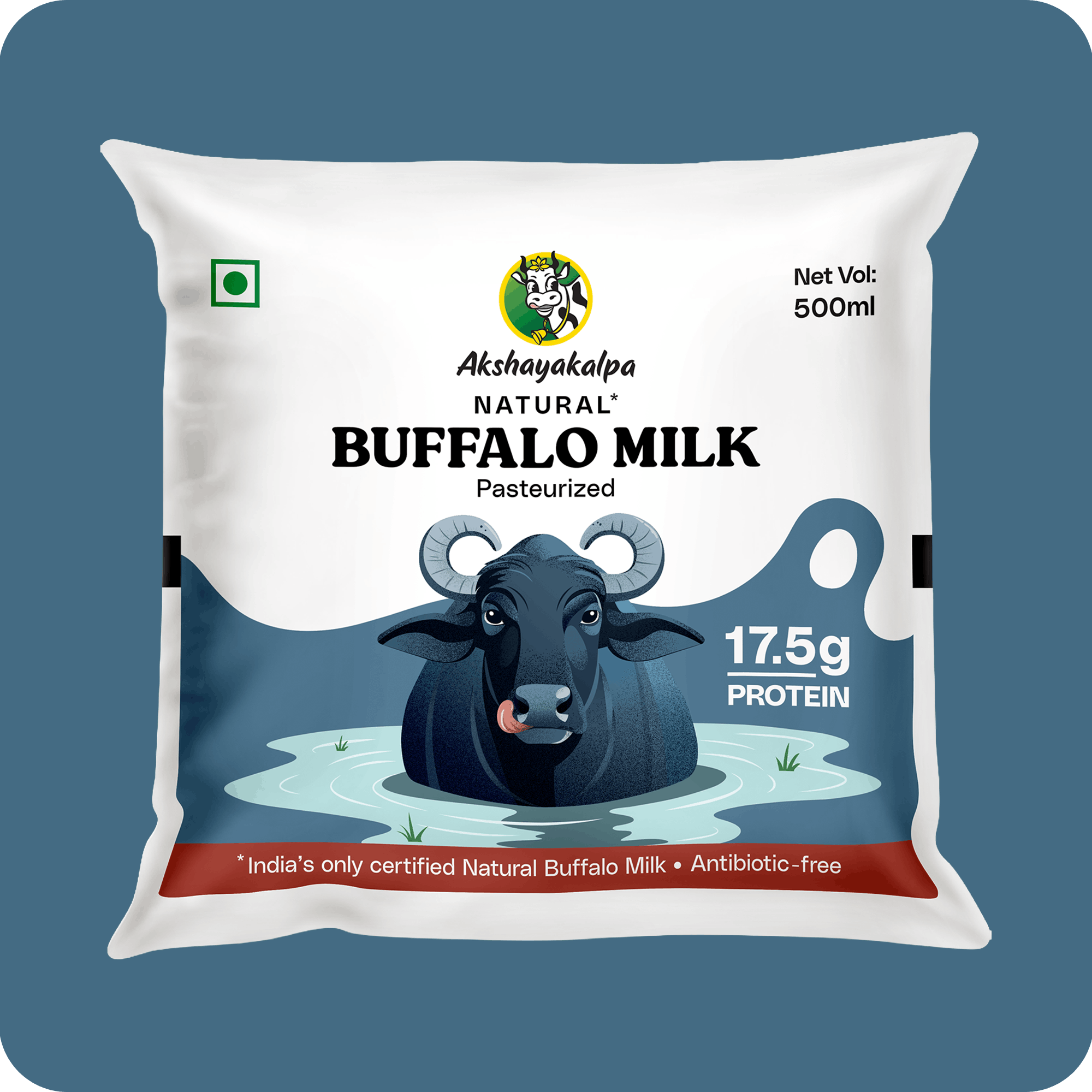
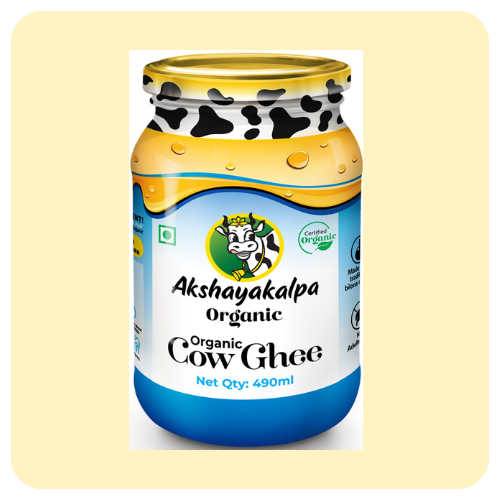
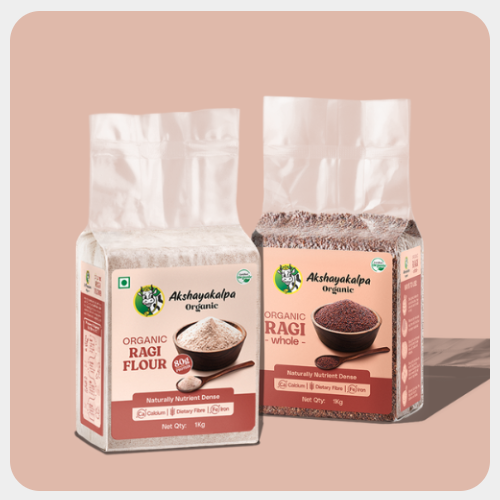
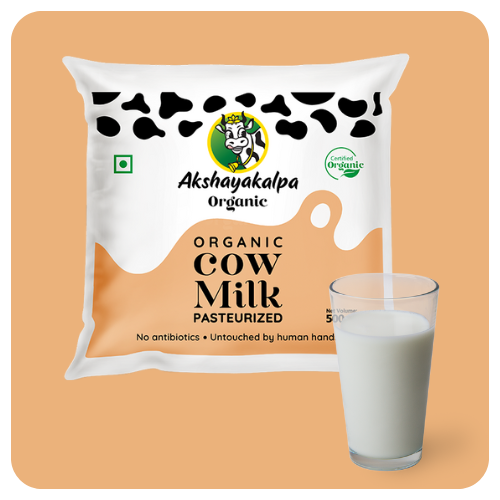
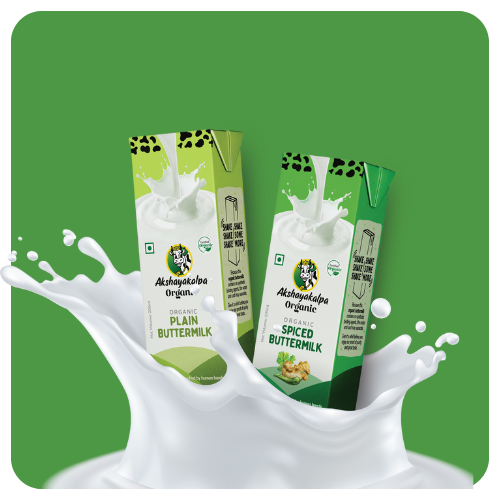
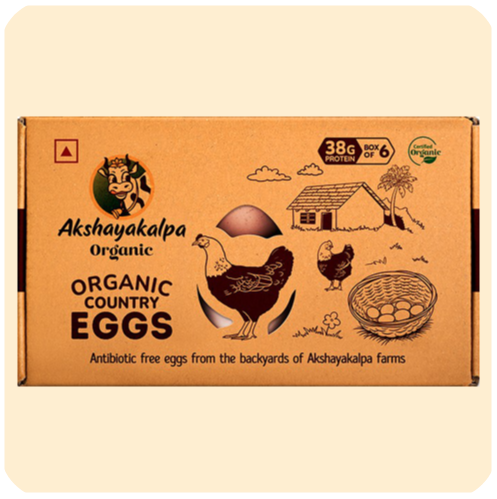
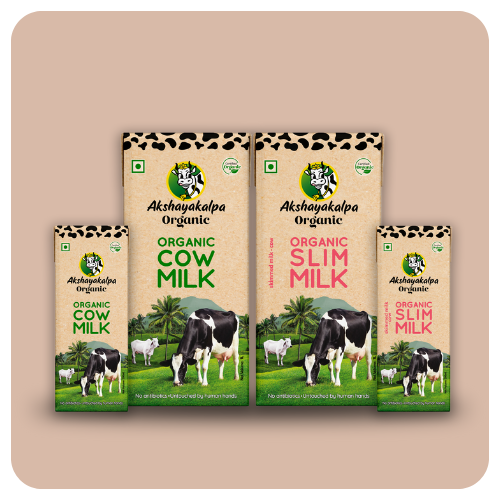
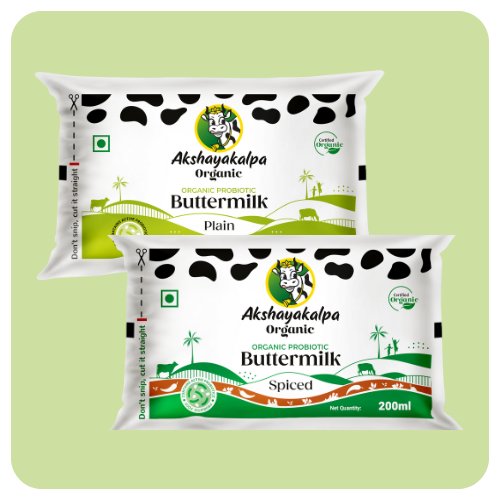
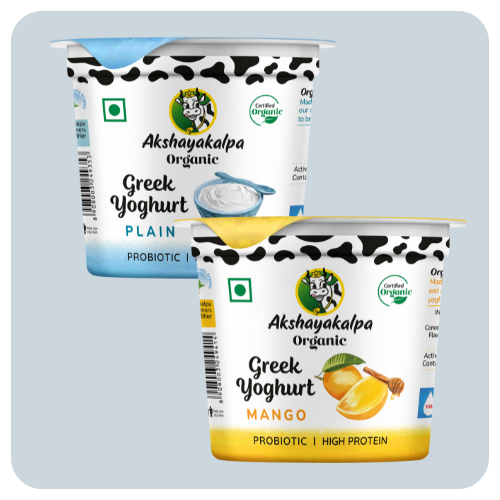
Here at Akshayakalpa, we feed our cows organic fodder grown in chemical-free soil, resulting in clean and nutritious milk without any adulteration. As India’s first organic dairy brand, it’s important to keep our cows healthy and happy, which is why they are raised in a stress free environment. Every batch of milk goes through more than 25 safety checks daily, making sure the milk that reaches you is of the highest quality and free of any nasties.
If dairy protein is better than its plant counterpart, the obvious question is: why not just use whey powder?
The answer lies in the processing that dairy goes through to become the powder you drink. Whey is a byproduct of cheese manufacturing, which goes through concentration, isolation, and spray-drying. Flavours, sweeteners, emulsifiers, and stabilisers are then added to make it palatable and shelf-stable.
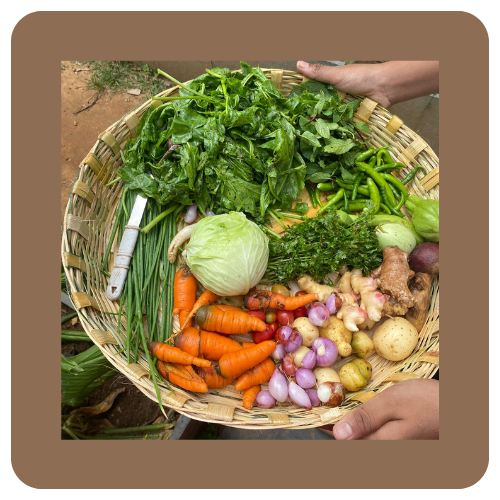
Milk contains calcium, vitamin B, and bioavailable fats. These valuable nutrients get stripped during processing. For most people eating a balanced diet, foods such as milk, curd, and paneer are a better choice than protein that comes from a tub.
Akshayakalpa’s high protein milk delivers 25g of natural, bioavailable protein in a single 250ml serving. It’s lactose-free, low in fat and has no additives, making it easy on the gut and suitable for all ages. Instead of adding whey protein to your diet, our high protein milk can easily help you reach your daily protein goals.
Since it comes from Akshayakalpa’s certified organic farms, the supply chain is easily traceable in a way that you know where your food comes from.
The protein powder industry has a problem that’s far from being addressed, and you shouldn’t compromise on giving your body the nutrition it deserves. Clean protein sources aren’t in tubs, but the whole foods in your diet.