






India has a protein problem

India is getting older, faster than most people realise. By 2026, one in every seven Indians will be over 60. It is one of the most significant demographic shifts in the country’s history, and its health implications are only beginning to be understood.
Most conversations about healthy ageing in India focus on the familiar suspects: heart disease, diabetes, blood pressure, bone density. What’s rarely brought up, despite being one of the most consequential and most preventable things happening to ageing bodies, is muscle loss.
The medical term for this is sarcopenia: the gradual, age-related decline in muscle mass, strength, and function.
It starts earlier than you think
Sarcopenia doesn’t wait to set in until you’re at retirement age. A 2024 study of adults aged 40 and above near Pune found sarcopenia rates already comparable to those seen in much older Western populations, with inadequate protein intake identified as one of the key independent risk factors.
If you’re in your forties and not eating enough protein, your muscles are likely already responding to that deficit. The habits you build now are the investments that pay off in your seventies.
What do the numbers say?
The weight of the problem is much more evident in older Indians. A 2025 nationally representative study at AIIMS Delhi, covering over 26,000 Indians aged 60 and above, found that nearly 44% had sarcopenia, and almost 20% had severe sarcopenia. Nearly half of India’s older adults are affected by a condition most of them have never heard of.
The research also revealed the stakes: confirmed sarcopenia carries nearly double the mortality risk compared to those without it.
What does muscle loss feel like?
Sarcopenia builds up gradually. If you’re starting to have trouble walking up stairs, have a weaker grip opening jars, or fatigue starting to set in earlier than it used to, you’re likely at risk of developing muscle loss.
Most people don’t notice meaningful muscle loss until it’s already significant. Which is precisely why paying attention at 40, not 70, makes all the difference.
The protein problem
The standard RDA for protein sits at 0.8g per kg of body weight per day – a threshold designed to prevent deficiency in healthy adults, not to account for what ageing does to the body’s ability to use protein. Evidence continues to build in favour of increasing this recommendation to between 1.0 and 1.6 g per kg per day for adults over 65.
The reason is a phenomenon called anabolic resistance: an impaired ability in older muscles to respond to protein consumed at meals. Older adults need meaningfully more protein than younger adults just to achieve the same rate of muscle protein synthesis.
A 2025 study published in Frontiers in Nutrition found that a moderately high-protein diet of 1.6 g per kg per day led to significant improvements in muscle strength, reduced fat accumulation, and enhanced muscle composition in older women with sarcopenia, compared to the standard 0.8 g per kg intake.
The challenge in India is that most older adults are already falling short of even the conservative 0.8g benchmark, much less the higher intakes that the evidence now recommends.
What you can do
Here’s the good part: sarcopenia can be slowed, and in many cases, reversed, with the right combination of nutrition and movement.
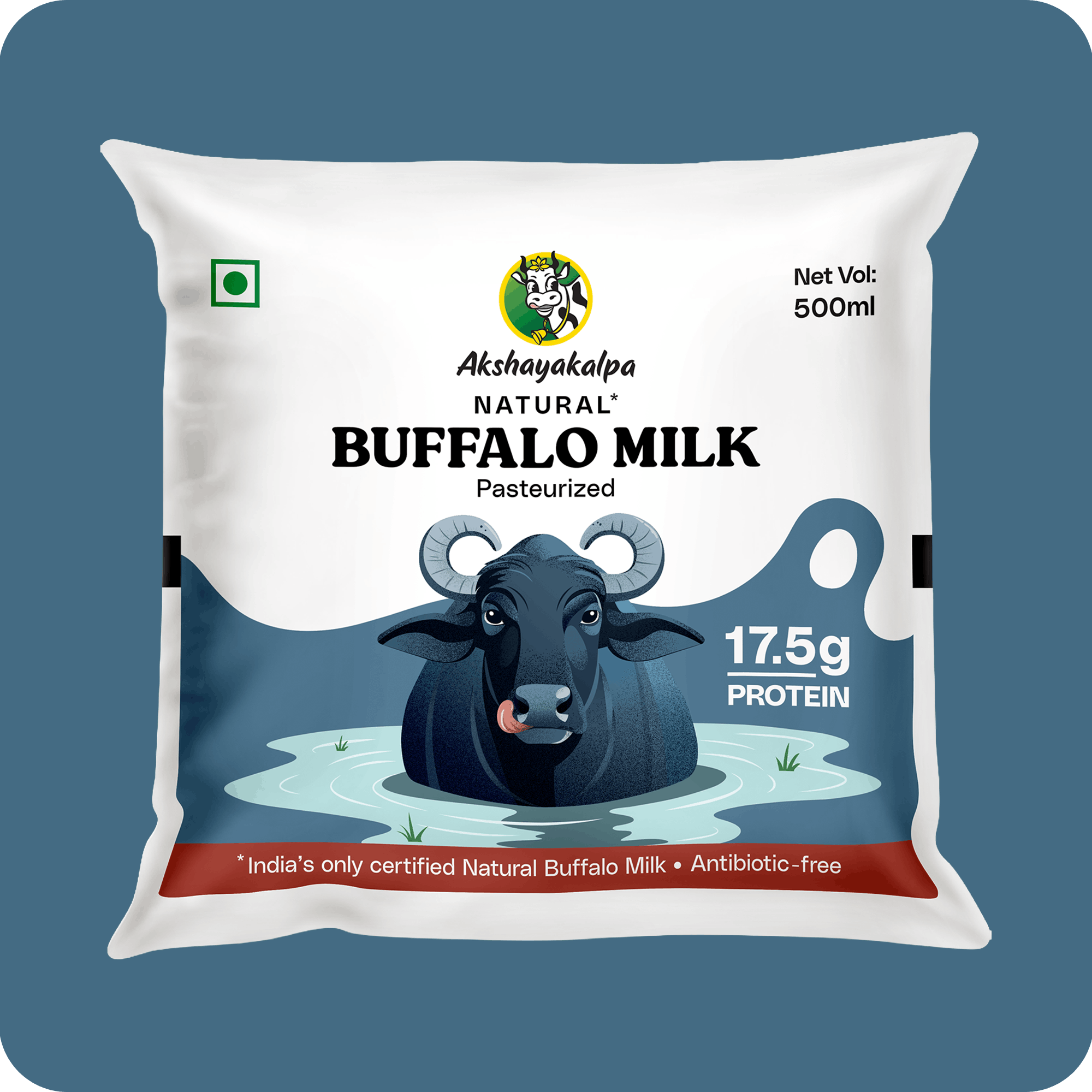
Prioritize the most accessible sources of nutrition: Curd, paneer, dal, rajma, eggs, and milk are all accessible, affordable, and effective. Milk is particularly worth highlighting here, and not all milk is equal.
Eat more protein and spread it throughout the day: Research consistently shows that distributing protein across three meals is more effective for muscle protein synthesis than concentrating it in one sitting.
Move your muscles: Even light resistance activity such as bodyweight exercises, resistance bands, or regular walking with inclines significantly amplifies the muscle-building effect of dietary protein. Strength training is also a good option. Nutrition and movement work together.
Sarcopenia is a condition that slowly creeps into your life without you noticing it, but it isn’t unavoidable. Eating enough of the right protein, spread across the day, combined with regular movement, remains the most evidence-backed intervention available.
If you’re looking for a practical place to start, swapping your regular morning milk for something that works significantly harder nutritionally – like high protein milk that is lactose-free – is a small change with a meaningful impact over time. Unlike most of the health challenges that come with age, this one is largely in your hands.